
What Is Bitcoin and How Does It Work in 2026? A Complete Beginner-to-Advanced Guide
Cryptoman on 23 February, 2026 | No Comments
🟡 What Is Bitcoin and How Does It Work in 2026?


4
📖 Introduction
In 2026, Bitcoin is no longer just a niche internet experiment — it has become one of the most talked-about financial assets in the world. From individual investors to institutions, from developing countries to global corporations, Bitcoin continues reshaping how we think about money.
But what exactly is Bitcoin?
How does it work behind the scenes?
And why is it still relevant in 2026?
In this complete guide, you’ll learn everything — from beginner basics to advanced mechanics — explained in simple language.
🟡 What Is Bitcoin?
Bitcoin is a decentralized digital currency that allows people to send money over the internet without a bank or middleman.
It was created in 2009 by an anonymous person or group using the name:
👉 Satoshi Nakamoto
Bitcoin operates on a technology called:
👉 Blockchain
Unlike traditional money (like USD or BDT), Bitcoin:
- Is not controlled by any government
- Has a limited supply (21 million coins)
- Is borderless
- Is censorship-resistant
- Operates 24/7
🧠 Why Bitcoin Still Matters in 2026
Bitcoin has survived:
- Government bans
- Market crashes
- Exchange hacks
- Media criticism
Yet in 2026, it remains the largest cryptocurrency by market capitalization.
Why?
1️⃣ Digital Scarcity
Only 21 million BTC will ever exist.
2️⃣ Inflation Hedge
Many investors see Bitcoin as “digital gold.”
3️⃣ Institutional Adoption
Large companies and funds now hold Bitcoin in treasury.
4️⃣ Financial Freedom
In countries with unstable currencies, Bitcoin provides an alternative store of value.
🔗 How Does Bitcoin Actually Work?
To understand Bitcoin, you must understand three core components:
- Blockchain
- Mining
- Cryptography
🧱 1. What Is Blockchain?
A blockchain is a public digital ledger that records every Bitcoin transaction ever made.
Think of it like a shared Google Sheet that:
- Anyone can view
- No one can edit
- Updates automatically
Each block contains:
- Transaction data
- Timestamp
- Previous block reference
- Cryptographic hash
These blocks are linked together — forming a chain.
That’s why it’s called a blockchain.
⛏️ 2. What Is Bitcoin Mining?


4
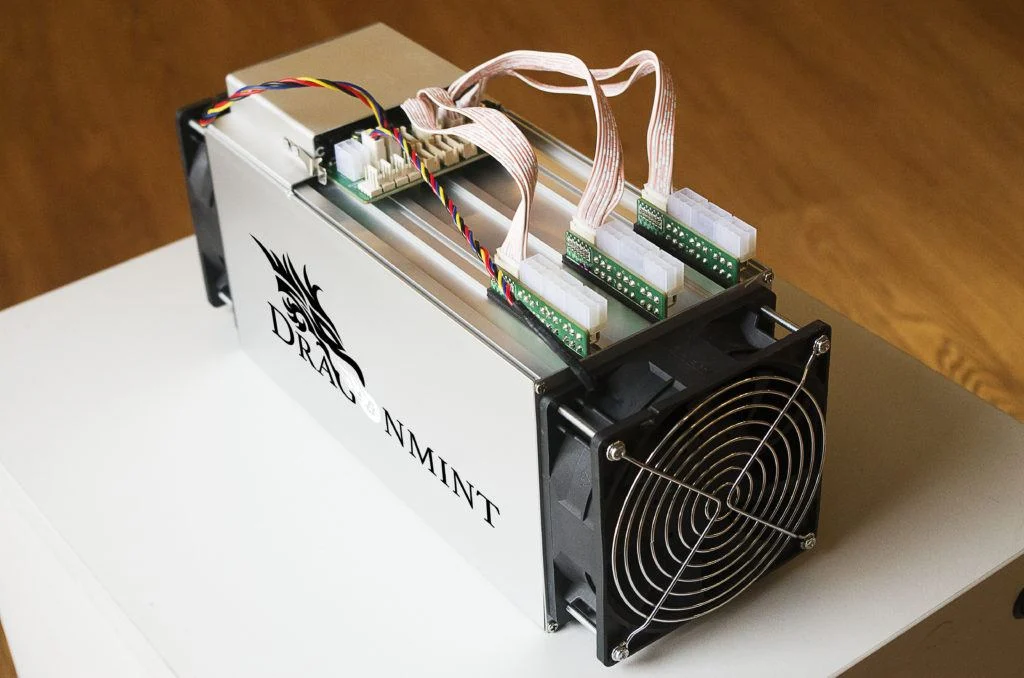
Mining is the process of validating transactions and adding them to the blockchain.
Miners:
- Use powerful computers
- Solve complex mathematical puzzles
- Compete to add the next block
When they succeed, they earn:
- Block reward (new BTC)
- Transaction fees
In 2026, after the latest halving event, block rewards have decreased, making mining more competitive and energy-efficient.
🔐 3. How Bitcoin Uses Cryptography
Bitcoin transactions are secured using:
- Public keys
- Private keys
- Digital signatures
- Hash functions
When you send Bitcoin:
- You sign the transaction with your private key.
- The network verifies it using your public key.
- The transaction is confirmed and added to a block.
Your private key = your ownership proof.
Lose it → lose your Bitcoin forever.
🪙 What Makes Bitcoin Different from Traditional Money?
| Feature | Bitcoin | Traditional Currency |
|---|---|---|
| Controlled by | Network | Central Bank |
| Supply | Fixed (21M) | Unlimited |
| Borderless | Yes | Limited |
| Open 24/7 | Yes | Banking hours |
| Inflation risk | Low (predictable) | High |
📈 What Is Bitcoin Halving?
Every 4 years, Bitcoin reduces mining rewards by 50%.
This event is called “halving.”
Purpose:
- Control inflation
- Reduce new supply
- Increase scarcity
Historically, halvings have influenced long-term price trends.
💳 How Do Bitcoin Transactions Work?
Example:
Rahim sends 0.01 BTC to his friend.
Steps:
- Transaction created
- Broadcast to network
- Verified by nodes
- Added to block
- Confirmed
Confirmation time:
Usually 10–30 minutes.
Fees vary based on network demand.
👛 What Is a Bitcoin Wallet?
A wallet does NOT store Bitcoin physically.
It stores:
- Private keys
- Public keys
Types of wallets:
🔹 Hot Wallet (Online)
- Mobile apps
- Browser wallets
🔹 Cold Wallet (Offline)
- Hardware wallet
- Paper wallet
For large holdings, cold wallets are safer.
🌍 Is Bitcoin Legal in 2026?
Bitcoin legality depends on country.
Some countries:
- Fully legal
- Regulated
- Restricted
In some regions, trading may be limited but peer-to-peer still exists.
Always check local regulations before investing.
📊 How Is Bitcoin Price Determined?
Bitcoin price depends on:
- Supply & demand
- Market sentiment
- Institutional investment
- Regulation news
- Halving cycles
- Global economy
Bitcoin is volatile.
Prices can rise or fall quickly.
💰 How to Buy Bitcoin in 2026
Step-by-step:
- Choose exchange
- Verify account (KYC)
- Deposit funds
- Buy BTC
- Transfer to secure wallet
Popular exchanges include:
- Binance
- Coinbase
(Availability depends on region.)
⚠️ Risks of Bitcoin
Bitcoin is powerful — but risky.
🔻 Volatility
Prices fluctuate heavily.
🔻 Security Risks
Hacks, phishing, scams.
🔻 Regulatory Risk
Governments can restrict access.
🔻 Emotional Trading
Fear and greed drive bad decisions.
Never invest money you can’t afford to lose.
🏦 Bitcoin vs Ethereum in 2026
Bitcoin:
- Store of value
- Digital gold
- Most secure network
Ethereum:
- Smart contracts
- DeFi ecosystem
- NFT support
Different purposes — not direct competitors.
🔮 Future of Bitcoin Beyond 2026
Experts predict:
- More institutional adoption
- Stronger regulation
- Better scalability solutions
- Integration with AI & fintech
- Increased role in emerging markets
But no one can predict price with certainty.
🧠 Common Bitcoin Myths
❌ Bitcoin is a scam
❌ Bitcoin is anonymous
❌ Governments can shut it down easily
❌ It has no real value
Bitcoin’s value comes from:
- Network security
- Scarcity
- Utility
- Adoption
📌 Should You Invest in Bitcoin in 2026?
Ask yourself:
- Do I understand the risks?
- Can I handle volatility?
- Am I investing long-term?
- Am I secure with wallet storage?
Bitcoin is not a guaranteed profit machine.
It’s a high-risk, high-reward digital asset.
🛡️ Safety Tips for Beginners
- Use 2FA on exchanges
- Never share private keys
- Use hardware wallet
- Avoid “guaranteed profit” schemes
- Double-check wallet addresses
- Stay updated
📝 Final Thoughts
Bitcoin in 2026 is:
- More mature
- More regulated
- More adopted
- Still volatile
- Still revolutionary
Whether you are a beginner or advanced investor, understanding how Bitcoin works is essential before investing.
Bitcoin is not just digital money.
It’s a new financial system built on math, code, and decentralization.